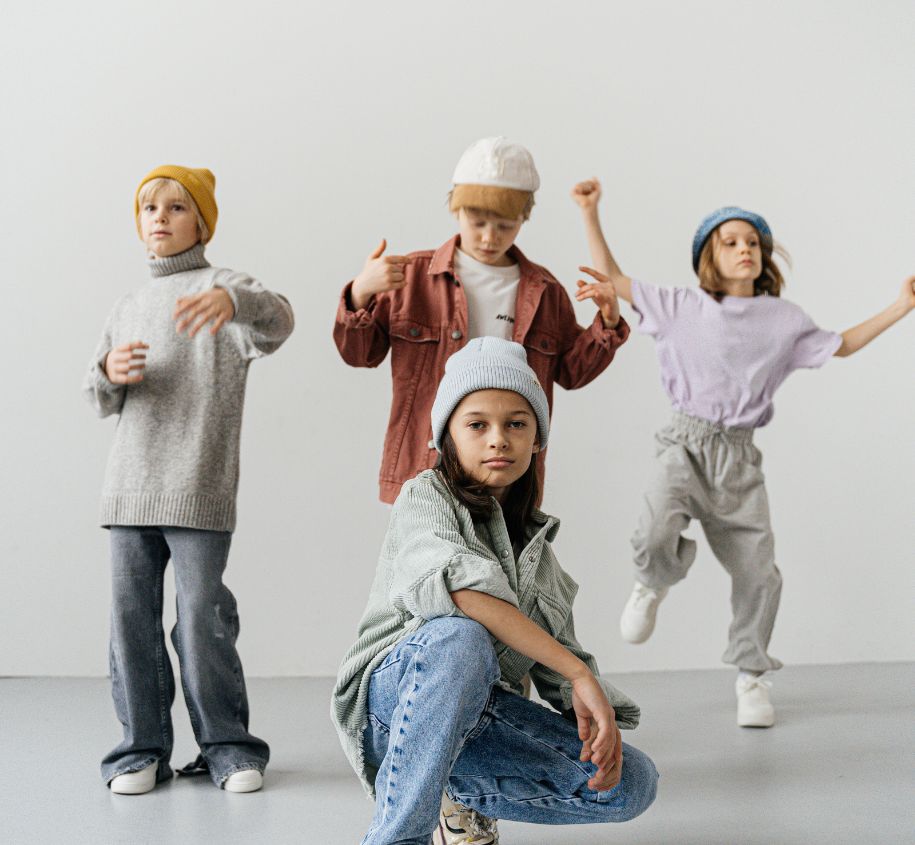
Every child is born with a natural curiosity and an innate capacity for creativity. As parents, caregivers, and educators, our role is to nurture and cultivate these traits, empowering children to explore, imagine, and innovate. By fostering an environment that encourages curiosity and creativity, we can unlock the full potential of every child, guiding them toward becoming confident, capable, and compassionate individuals.
The Importance of Curiosity and Creativity
Curiosity is the spark that ignites learning. It drives children to ask questions, seek answers, and explore the world around them. Creativity, on the other hand, is the ability to think outside the box, solve problems in novel ways, and express oneself uniquely. Together, these qualities are fundamental to a child’s cognitive, emotional, and social development.
Research indicates that children who are encouraged to be curious and creative exhibit higher levels of motivation, academic achievement, and problem-solving skills. They are more likely to engage in lifelong learning and adapt effectively to new challenges. Moreover, curiosity and creativity are closely linked to self-confidence; as children explore and create, they gain a sense of accomplishment and belief in their abilities.
Strategies to Foster Curiosity and Creativity 1. Create a Safe and Stimulating Environment
Children thrive in environments that are rich in opportunities for exploration and expression. Provide access to a variety of materials—such as books, art supplies, building blocks, and natural objects—that invite open-ended play and experimentation. Designate spaces where children can engage in activities without fear of making a mess, as unstructured play is crucial for developing creativity.
Instead of providing immediate answers, prompt children with open-ended questions that stimulate thinking and discussion. Questions like “What do you think would happen if…?” or “How might we solve this problem?” encourage children to think critically and creatively. This
approach not only enhances their problem-solving skills but also validates their thoughts and ideas.
In our fast-paced world, it’s easy to overlook the value of unstructured time. However, allowing children the freedom to explore their interests without a set agenda is essential for fostering curiosity. Whether it’s observing insects in the garden or experimenting with different art materials, these moments of exploration are where creativity flourishes.
Children learn by observing the adults around them. Demonstrate your own curiosity by exploring new topics, asking questions, and engaging in creative activities. Share your experiences and discoveries with your child, showing them that learning is a lifelong endeavor. This modeling reinforces the idea that curiosity and creativity are valuable and enjoyable pursuits.
Praise the process rather than the outcome. Acknowledge the effort, perseverance, and thoughtfulness your child invests in their endeavors. For instance, instead of merely saying “Good job,” you might say, “I love how you kept trying different ways to build that tower.” This type of feedback encourages a growth mindset and reinforces the value of effort and persistence.
Expose children to a wide range of experiences that broaden their perspectives and inspire new interests. Visits to museums, nature walks, cultural events, and interactions with diverse groups of people can spark curiosity and fuel creativity. These experiences provide rich material for imaginative play and creative expression.
Play is a powerful vehicle for learning. Through play, children experiment, problem-solve, and express themselves. Encourage activities that promote imaginative play, such as role-playing, storytelling, and building projects. These activities not only foster creativity but also enhance social skills and emotional development.
Creativity involves taking risks and making mistakes. Create an environment where failure is viewed as a natural part of the learning process. Encourage your child to try new things, even if
they’re unsure of the outcome, and support them in reflecting on what they learned from their experiences. This approach builds resilience and a willingness to embrace challenges.
While digital devices can offer educational content, excessive screen time can hinder creativity and attention span. Encourage activities that require active engagement, such as drawing, building, cooking, or gardening. These hands-on activities stimulate the brain and provide opportunities for creative expression.
Help your child develop a growth mindset by emphasizing that abilities and intelligence can be developed through effort and learning. Encourage them to view challenges as opportunities to grow and to persist in the face of setbacks. This mindset fosters a love of learning and a belief in one’s ability to overcome obstacles.
The Role of Parents and Educators
Parents and educators play a pivotal role in nurturing curiosity and creativity. By providing supportive environments, modeling positive behaviors, and offering encouragement, adults can guide children in developing these essential skills. Collaboration between home and school ensures that children receive consistent messages and opportunities to explore and create.
Incorporating strategies such as open-ended questioning, celebrating effort, and providing diverse experiences can be seamlessly integrated into daily routines. Whether it’s discussing the natural world during a walk, engaging in a creative project at home, or exploring new concepts in the classroom, these practices contribute to a child’s growth and development.
Conclusion
Unlocking the potential of every child involves more than imparting knowledge—it requires fostering an environment where curiosity and creativity are valued and nurtured. By encouraging exploration, supporting imaginative play, and modeling a love of learning, we empower children to become confident, innovative thinkers. As we invest in cultivating these qualities, we lay the foundation for a future where every child can realize their full potential and contribute meaningfully to the world around them.